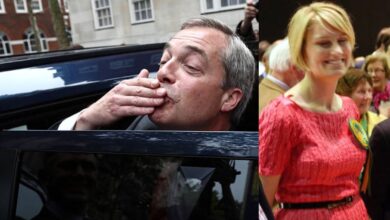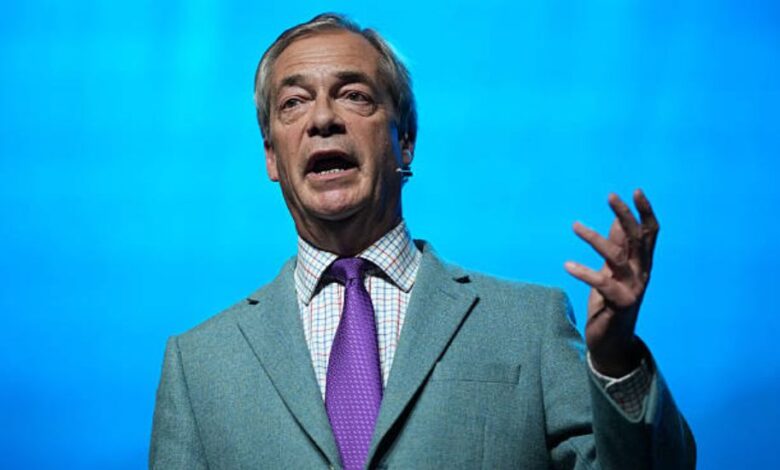
Few political figures in modern British history generate as much reaction as Nigel Farage. To his supporters, he is a fearless truth-teller who reshaped Britain’s relationship with Europe. To his critics, he is a divisive populist who thrives on controversy. Yet in recent years, a curious phrase has started appearing in search queries and opinion columns alike — “nigel farage boring.”
Is Nigel Farage truly becoming boring to the public? Or is this just a reflection of political fatigue, changing media dynamics, and an audience that has grown accustomed to his once-shocking style? To understand this question properly, one must explore the full picture — who Nigel Farage is, his political journey, Brexit legacy, personal life, net worth, children, plane crash, party affiliations, election expenses, and evolving political views.
This article takes a detailed look at the man behind the headlines and explores whether the label “boring” is fair — or simply the result of a political era moving on.
Who Is Nigel Farage?
Nigel Farage was born on April 3, 1964, in Farnborough, Kent, England. He entered the political arena not as a traditional university-trained politician, but as a former commodities broker who turned his frustrations with the European Union into a full-time political mission.
Farage became a founding member of the UK Independence Party (UKIP) in 1993. His opposition to the EU was rooted in a belief that Britain should fully control its own laws, borders, and trade. Over the next two decades, he turned UKIP from a fringe movement into a major political force.
From 1999 to 2020, Farage served as a Member of the European Parliament (MEP). Ironically, the institution he despised became his main stage. His fiery speeches, blunt rhetoric, and confrontations with EU officials made him a regular viral figure online.
In 2019, he launched the Brexit Party, which later rebranded as Reform UK. In 2024, after years of standing at the edge of Westminster politics, Farage finally became a sitting Member of Parliament, marking a dramatic new chapter in his career.
Nigel Farage and Brexit: The Defining Legacy
No discussion of Nigel Farage is complete without Brexit. He is widely regarded as one of the most influential architects of Britain’s decision to leave the European Union.
For decades, Farage argued that EU membership undermined British sovereignty, encouraged uncontrolled immigration, and weakened national democracy. His message resonated strongly with voters who felt ignored by mainstream political parties.
The 2016 Brexit referendum was the peak of Farage’s influence. When the UK voted to leave the EU, he declared that it would be remembered as Britain’s “independence day.” While he did not hold government office at the time, his role in shaping public opinion was undeniable.
Yet, as the practical realities of Brexit unfolded — supply chain issues, trade frictions, and economic uncertainty — public enthusiasm began to cool. This shift in public mood may partially explain why some now describe Nigel Farage as “boring”: his defining battle has already been fought.
Nigel Farage Political Views: Populism, Immigration, and Nationalism
Nigel Farage’s political views are consistent and unapologetic:
-
Strong opposition to the European Union
-
Strict immigration controls
-
Small government and lower taxes
-
National sovereignty and border security
-
Criticism of “political correctness” and elite politics
His communication style is deliberately simple and confrontational. Farage often frames political debates as a fight between the “ordinary people” and the “establishment.” This populist approach won him massive attention in the 2010s but may feel repetitive to some audiences today.
As newer political figures adopt similar rhetoric, Farage’s once-unique voice can seem less exciting — again fueling the narrative of “nigel farage boring.”
Nigel Farage Party: From UKIP to Reform UK
Farage’s party journey reflects his evolving political strategy:
-
UKIP (1993–2016): Built from a fringe movement into a serious political force.
-
Brexit Party (2019): Created to ensure Brexit happened after parliamentary delays.
-
Reform UK (2021–Present): Focused on immigration, taxes, and public services reform.
Reform UK is now positioned as a right-wing alternative to the Conservative Party. Under Farage’s leadership, it attracts voters frustrated with traditional politics. However, despite consistent media exposure, some voters feel the party lacks fresh ideas — another factor contributing to claims that Farage’s politics is becoming predictable and dull.
Farage Election Expenses: Controversies and Scrutiny
Election finance has become one of the most sensitive areas of Farage’s recent political life. Allegations have emerged over possible breaches of election spending limits, particularly related to his parliamentary campaign.
Critics argue that campaign transparency is essential for public trust. Supporters insist that such claims are politically motivated attempts to discredit him. Investigations into election expenses, whether proven or not, have added a new layer of controversy to his career.
For some observers, however, these financial disputes lack the dramatic shock value of Brexit or mass rallies. Compared to his earlier political storms, expense debates can feel technical and uninspiring — again making the public perception shift toward “boring.”
Nigel Farage Plane Crash: A Brush with Death
One of the most dramatic moments of Farage’s life occurred during the 2010 general election campaign, when a small aircraft towing a UKIP banner crashed shortly after takeoff.
The plane slammed into the ground, leaving Farage injured and the pilot seriously hurt. Photos of the wreckage spread rapidly across the media. Farage later described the crash as a near-death experience.
At the time, the event added to his larger-than-life political image. Today, it stands as a reminder of a period when his campaigns were visually spectacular and risky — in stark contrast to the quieter tone of his recent appearances.
Nigel Farage Wife and Personal Relationships
Nigel Farage has been married twice:
-
His first wife, Gráinne Hayes, was an Irish nurse. The marriage ended in divorce.
-
He later married Kirsten Mehr, a German national. This marriage also ended in divorce.
In recent years, Farage has been linked publicly to a long-term partner rather than a wife. His personal life often attracts tabloid attention, particularly given the contrast between his nationalist political image and his international relationships.
Nigel Farage Children
Farage is the father of four children, two from each of his marriages. Unlike many political figures, he keeps his children largely out of the public spotlight. He has said in interviews that political life brings risks and scrutiny that he prefers not to expose his family to.
His role as a father is rarely part of his political messaging, which focuses instead on national identity, sovereignty, and culture.
Nigel Farage Net Worth: Media, Politics, and Wealth
Nigel Farage’s estimated net worth ranges between £3 million and £7 million, though exact figures are difficult to verify.
His income sources include:
-
Salary as an MEP (before Brexit)
-
Television presenting and political commentary
-
Speaking engagements
-
Book deals and media appearances
Farage’s comfortable financial status often draws criticism from opponents who argue that he presents himself as a champion of the “ordinary person” while enjoying elite privileges. Supporters counter that his success reflects the value of his media influence.
In recent years, as he has moved further into broadcasting, his political persona has shifted slightly from activist to commentator — another reason some label his current phase as less exciting or “boring.”
Is Nigel Farage Really Boring Now?
The idea of “nigel farage boring” does not imply that his views have softened or that he has lost influence entirely. Instead, it reflects a broader psychological and media effect:
-
Familiarity reduces shock value.
His confrontational style once felt revolutionary. Now, it is expected. -
Brexit fatigue.
With Brexit completed, his central mission no longer dominates headlines. -
New political disruptors.
Younger politicians and global figures now command attention. -
Shift to media over activism.
Farage’s presence as a broadcaster feels less disruptive than his earlier street-level campaigning.
In other words, Farage is not boring in content — but he may be boring by comparison to the chaos and novelty he once represented.
Supporters vs Critics: Two Different Realities
To supporters, Farage is still a fearless patriot who dares to challenge elites and defend national identity. They see no decline in his relevance.
To critics, he is a repetitive figure recycling the same messages without offering practical solutions to today’s economic and social challenges.
This split perception ensures that Farage remains controversial — but controversy alone does not always guarantee excitement.
The Media’s Role in the “Boring” Narrative
Media coverage has shifted dramatically. In the early 2010s, Farage was treated as a disruptive outsider. Today, he is part of the political establishment he once opposed.
When an outsider becomes an insider, public fascination often fades. Regular television appearances, predictable talking points, and polished messaging can make even the most radical figure feel routine.
What’s Next for Nigel Farage?
Farage’s future remains uncertain but influential. As long as immigration, national identity, and discontent with mainstream politics exist, his message will find an audience.
However, whether he can reinvent himself yet again — as he did with UKIP and the Brexit Party — will determine if the “boring” label sticks or fades.
Final Thoughts
Nigel Farage has lived one of the most dramatic political lives in modern British history. From near-death in a plane crash to reshaping the nation’s relationship with Europe, few politicians can match the scale of his impact.
Yet politics is cyclical. What once felt revolutionary can become routine. The rise of the phrase “nigel farage boring” reflects not a collapse of influence, but the natural aging of a political storm into a familiar weather pattern.
Whether history will remember him as a hero, a disruptor, a divider — or simply a man whose moment passed — remains to be seen.
Closing Note for Readers
This in-depth feature was prepared for our readers at Newsz, where we continue to analyze political shifts, personalities, and the evolving public mood shaping the world today.
You may also read: Dame Kelly Holmes Partner, Net Worth & Biography